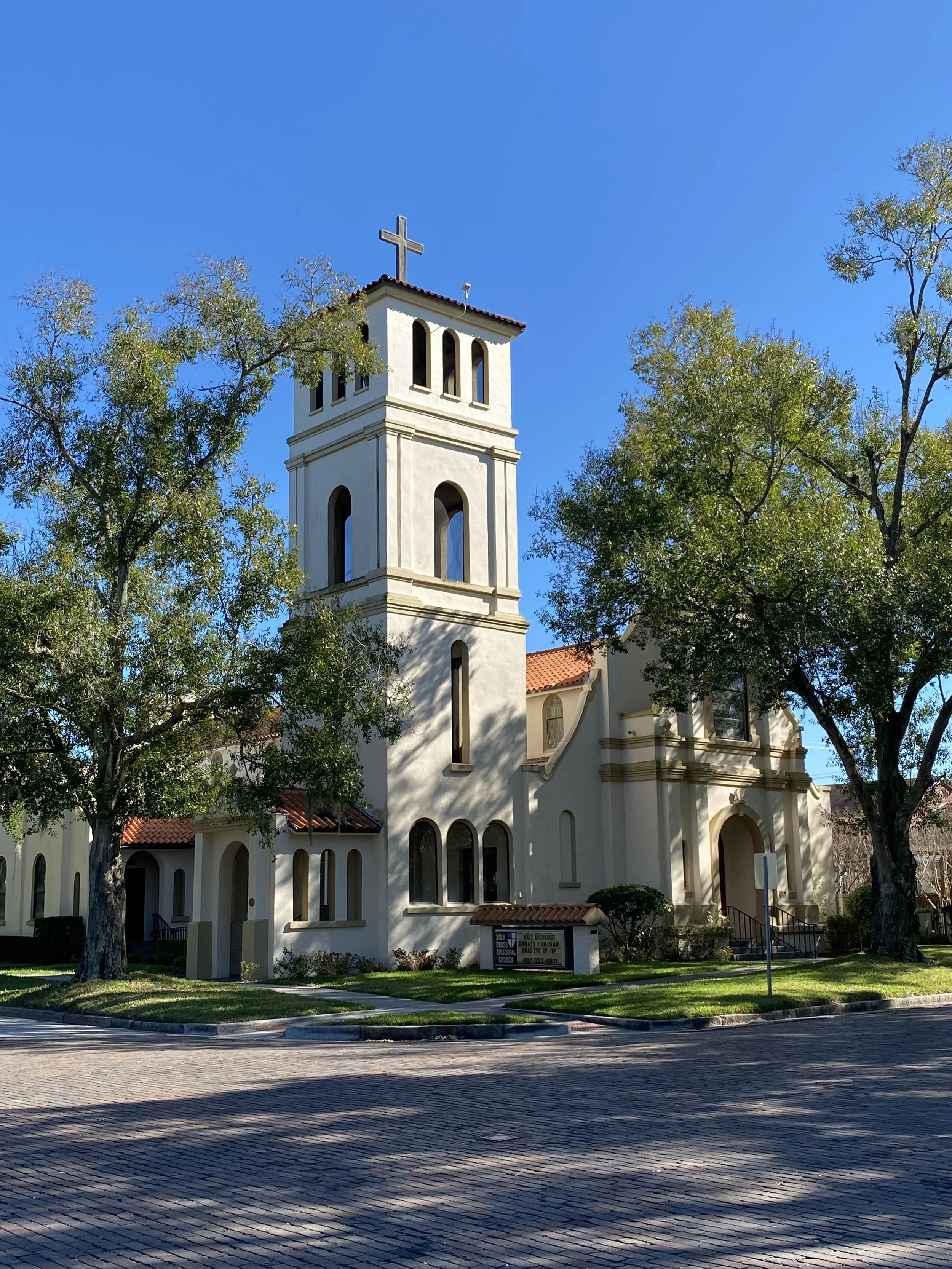
Is Your Downtown Sanford Commercial Property at Risk for Mold? How Lake Monroe and Florida's Humidity Can Affect Your Building
Downtown Sanford is known for its historic buildings, waterfront views, unique restaurants, retail shops, and thriving local businesses. Its location along the southern shore of Lake Monroe is part of what makes the area so attractive to business owners and visitors.
However, owning or managing a commercial property in this part of Sanford can also present some unique moisture-management challenges.
Between Florida's naturally humid climate, seasonal rainfall, proximity to Lake Monroe, and the age of many downtown commercial buildings, moisture intrusion and elevated indoor humidity deserve special attention.
For commercial property owners and managers, understanding these conditions can help prevent hidden moisture problems, microbial growth, and potential indoor air quality concerns.
How Lake Monroe Can Contribute to Moisture Challenges
Commercial properties near Lake Monroe operate in a waterfront environment where moisture is an important consideration.
Large bodies of water, surrounding vegetation, and Florida's warm climate are part of the local environmental conditions. Outdoor air frequently contains significant amounts of moisture, particularly during the warmer months.
When warm, humid outdoor air enters a commercial building and encounters cooler interior surfaces, condensation can develop. This is particularly important in buildings with older windows, inadequate insulation, aging HVAC systems, or poorly sealed exterior walls.
Lake Monroe's proximity is also relevant when considering the potential for elevated water levels, flooding, and storm-related water intrusion. Properties in low-lying or flood-prone areas may face additional exposure during periods of heavy rainfall or prolonged high-water conditions.
While proximity to the lake does not automatically mean a building has a mold problem, it makes moisture management an important part of responsible commercial property maintenance.
Why Older Downtown Sanford Buildings May Be More Vulnerable
One of the things that makes Downtown Sanford unique is its collection of older commercial buildings. While these properties offer character and architectural appeal, their age and construction history can create additional maintenance considerations.
Over time, commercial buildings may develop:
Deteriorating window and door seals that allow humid outdoor air to enter.
Aging roofing materials and flashing that permit water intrusion.
Cracks or deteriorating exterior finishes that allow moisture to penetrate.
Plumbing leaks that go unnoticed behind walls or beneath flooring.
Inadequate insulation that contributes to condensation.
Older HVAC systems that struggle to maintain consistent indoor temperature and humidity levels.
Even relatively small moisture problems can become significant when they remain undetected.
Older buildings may also have experienced multiple renovations, plumbing modifications, and roof repairs over the years. These changes can leave behind concealed moisture issues that are not immediately apparent during routine maintenance.
The Role of HVAC Systems in Commercial Mold Problems
In Florida, an HVAC system does more than keep a commercial building comfortable. It also plays an important role in managing indoor humidity.
When an HVAC system is properly sized, maintained, and operating correctly, it helps remove moisture from the indoor air.
However, problems can develop when:
HVAC equipment is improperly sized for the space.
Condensate drain lines become clogged.
Evaporator coils or drain pans are not properly maintained.
Air conditioning is turned off overnight or during extended business closures.
Commercial spaces are left unoccupied for extended periods.
Humid outdoor air enters through poorly sealed doors and windows.
Restaurants, retail spaces, offices, and other commercial properties may have different occupancy schedules and ventilation demands. These factors should be considered when evaluating the building's overall moisture conditions.
A commercial property can appear perfectly clean while elevated humidity is creating favorable conditions for microbial growth in concealed areas.
Where Should Commercial Property Owners Look for Moisture Problems?
When evaluating a commercial building in Downtown Sanford, certain areas deserve particular attention.
HVAC closets and mechanical rooms: Condensate leaks, poorly insulated ductwork, and elevated humidity can contribute to microbial growth around HVAC equipment.
Ceilings and roof assemblies: Previous roof leaks may leave moisture trapped above ceiling tiles or within concealed building materials.
Exterior walls and windows: Condensation, deteriorating seals, and water intrusion can contribute to moisture accumulation around windows and exterior wall assemblies.
Storage rooms and unoccupied offices: Areas with limited air circulation may experience elevated humidity, particularly when the HVAC system does not adequately condition the space.
Carpet and flooring: Previous plumbing leaks, flooding, or water intrusion can leave moisture beneath carpet and flooring materials.
Restrooms and break rooms: Plumbing connections, supply lines, drains, and areas with frequent moisture exposure should be routinely inspected.
Why Commercial Mold Testing and Indoor Air Quality Assessments Matter
For commercial property owners, identifying a moisture problem before it becomes a larger issue can save time, reduce potential repair expenses, and help protect the building's occupants.
A professional indoor environmental assessment can help identify conditions that may warrant further investigation.
Depending on the circumstances, an assessment may include:
Visual inspection of accessible building materials.
Moisture measurements in suspected problem areas.
Indoor temperature and relative humidity measurements.
Air sampling for laboratory analysis.
Direct sampling of suspected microbial growth when appropriate.
Inspection of HVAC components and other potential moisture sources.
A written report documenting observations, findings, and recommendations.
Air sampling can provide useful information about airborne fungal spores at the time of testing. However, sampling results should always be considered alongside the building inspection, moisture conditions, and any visible evidence of microbial growth.
The goal is not simply to collect air samples. It is to understand the building's environmental conditions and identify potential sources of moisture that may be contributing to indoor air quality concerns.
Protecting Your Downtown Sanford Commercial Property
Preventative maintenance is one of the most effective ways to reduce the likelihood of moisture-related problems.
Commercial property owners and managers should consider:
Maintaining indoor relative humidity below 60%, ideally between 30% and 50% when practical.
Scheduling routine HVAC inspections and maintenance.
Keeping condensate drain lines and drain pans clean and unobstructed.
Inspecting roofs, windows, doors, and exterior walls for signs of water intrusion.
Investigating musty odors, recurring condensation, and unexplained water stains.
Monitoring vacant or infrequently occupied spaces for elevated humidity.
Addressing plumbing leaks and water intrusion promptly.
A building does not have to experience a major flood or visible water leak to develop a moisture problem. Sometimes the warning signs are subtle, and the source can remain hidden for months.
Guardian Indoor Environmental – Commercial Mold Testing in Downtown Sanford
At Guardian Indoor Environmental, we understand the importance of identifying moisture and indoor air quality concerns in commercial properties throughout Sanford and the Greater Orlando area.
With 30 years of experience in the restoration and indoor environmental industry, we provide independent mold assessments, indoor air quality testing, moisture inspections, laboratory analysis, and professional reporting.
Whether you manage a historic downtown storefront, restaurant, office building, or larger commercial property, understanding the building's moisture conditions is an important part of protecting your investment.
If you have noticed musty odors, recurring condensation, unexplained water stains, or concerns about indoor humidity, a professional assessment can help determine whether further investigation is warranted.
Contact Guardian Indoor Environmental to schedule a commercial mold inspection or indoor air quality assessment in Downtown Sanford, Florida.
Serving Central Florida and surrounding areas like Orlando, Winter Park, Windermere, Winter Garden, Clermont, Mount Dora, Groveland, Sanford, Oviedo, Longwood, Lake Mary, Deltona, Deland, New Smyrna Beach, Daytona Beach, and neighboring communities.